The World Triathlon Championship Series and the Paratriathlon World Cup in the city of Samarkand became a new significant milestone in the history of triathlon in Uzbekistan.
For the first time in the country, a World Triathlon Championship Series race was held — an event of the highest international level, which spectacularly and grandly opened the season, bringing together the world’s strongest athletes, teams, and delegations. Athletes and delegations from more than 44 countries arrived in Uzbekistan to participate in, officiate, and organize the competitions.
Samarkand became one of the central hubs of world triathlon — a city where Olympic champions, medalists of the largest international events, representatives of national federations, officiating teams, volunteers, fans, and sports enthusiasts came together. This event became a demonstration not only of sporting excellence, but also of Uzbekistan’s organizational potential on the international stage.
As part of the World Championship Series, athletes competed in the Standard distance:
Swimming - 1.5 km, cycling stage - 40 km and running stage - 10 km.
The number of athletes competing in this distance was 91 athletes, among whom 11 Olympic medalists and champions took part in Samarkand — Georgia Taylor-Brown, Gwen Jorgensen, Tim Hellwig, Beth Potter, Taylor Spivey, Laura Lindemann, Seth Rider, Leonie Periault, Lisa Tertsch and Cassandre Beaugrand, who unfortunately did not start due to health reasons. In the men’s race, Uzbekistan was also represented by athlete Jérémy Quindos, who proudly represented the country and delivered a strong result on the course.
Among the men, the winners were:
1st place - Vasco Vilaca, Portugal
2nd place - Henry Graf, Germany
3rd place - Charles Paquet, Canada
In the women’s race, the winners were:
1st place - Beth Potter, Great Britain
2nd place - Leonie Periault, France
3rd place - Jeanne Lehair, Luxembourg
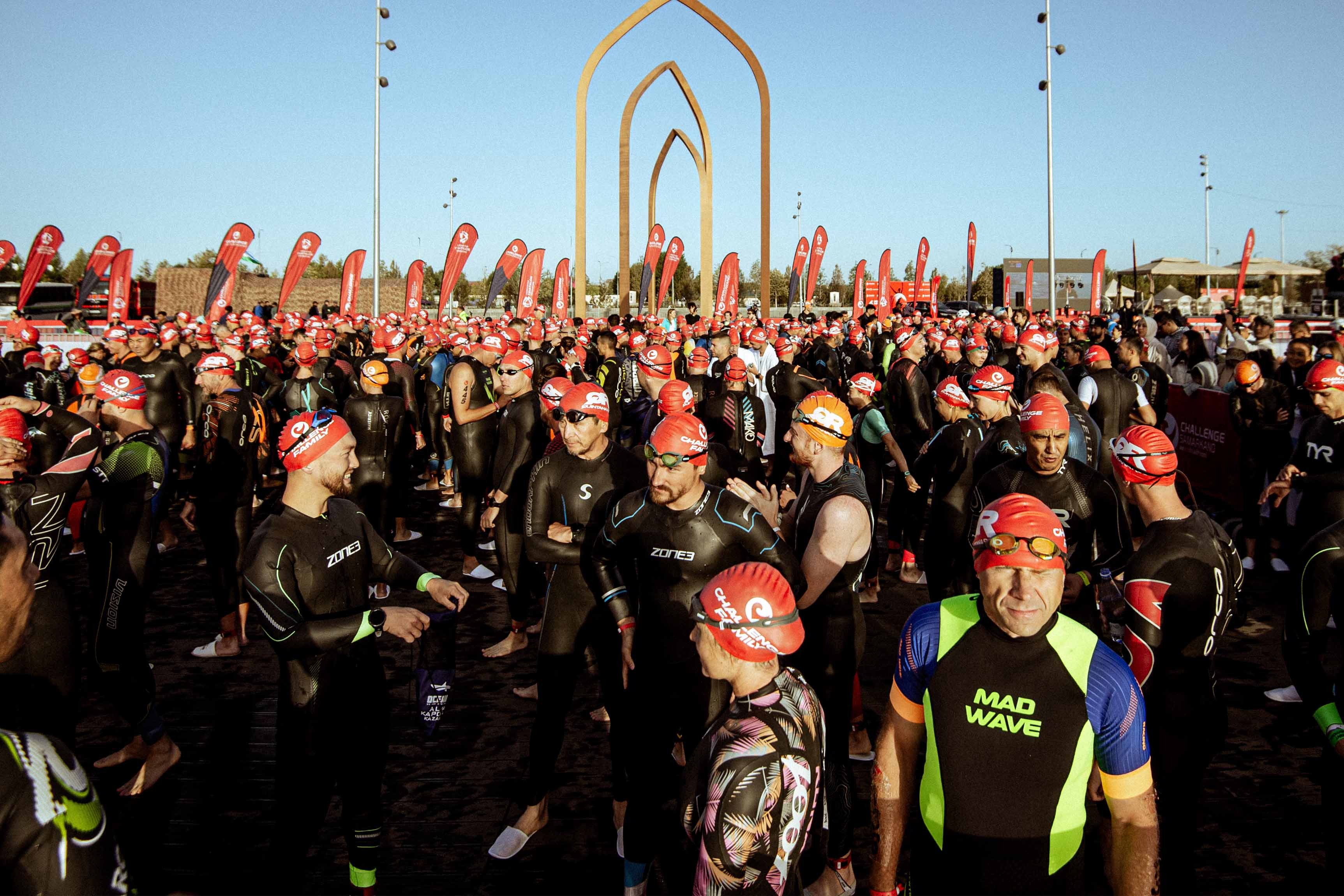
As part of the World Triathlon Championship Series, the Open Championship of Uzbekistan and the National Triathlon Championship were also held, featuring amateur athletes, national team athletes, and candidates aspiring to join the national team.
Hosting these competitions became not just a sporting event, but an important historic moment for Uzbekistan. Samarkand welcomed the world’s strongest athletes, demonstrated a high level of organization, and once again confirmed its status as a city capable of hosting grand international events that unite sport, culture, and the global community.
This event became a symbol of a new scale for Uzbek triathlon — a step toward even greater recognition of the country on the global sports map, the development of mass participation and professional sports, the strengthening of international relations, and the creation of a legacy that will inspire a new generation of Uzbek athletes.